
Canary Islands Cruises: Your Ultimate Guide to an Archipelago Adventure
We are about to board on a Canary Islands 7-day cruise with MSC Musica on the 26th of December. This is our first time on this cruise
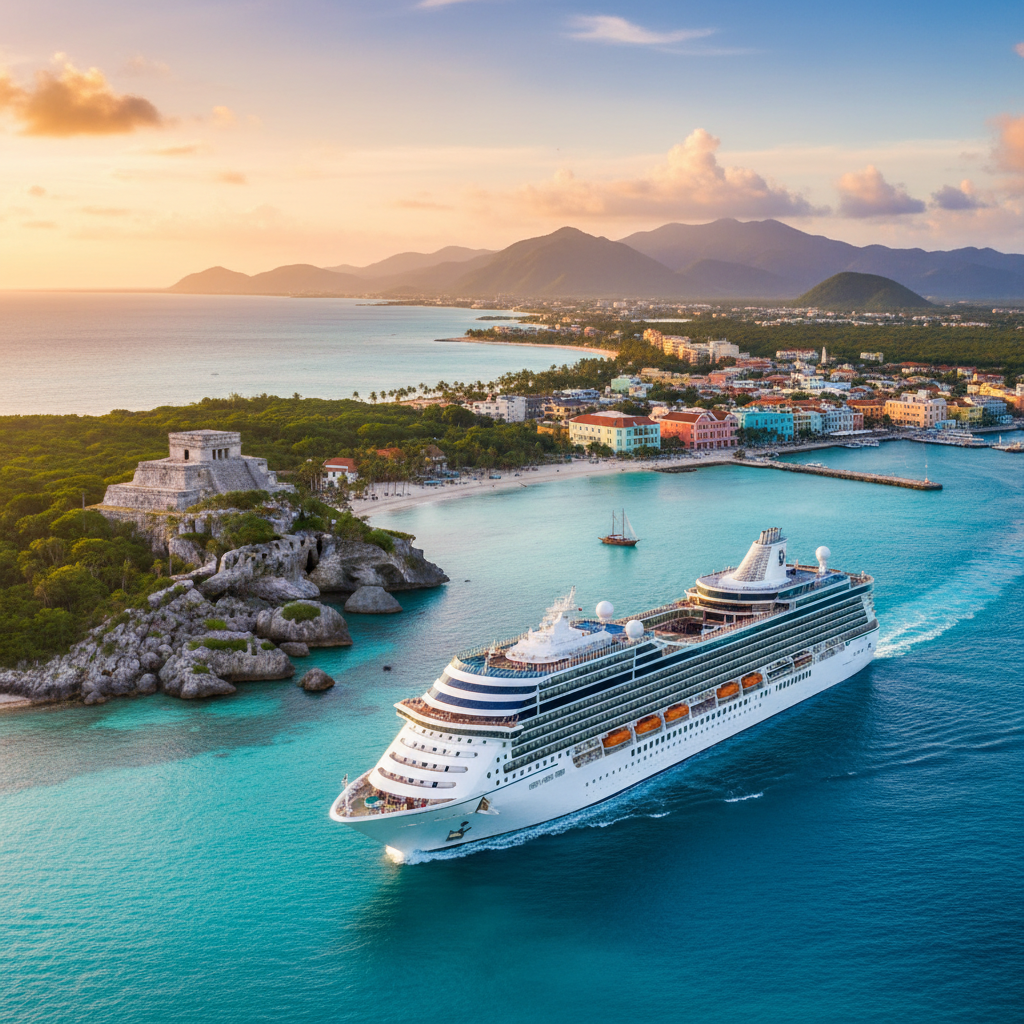
The Canary Islands, an archipelago of seven main islands and several smaller islets nestled off the northwest coast of Africa, offer a compelling and increasingly popular destination for cruise enthusiasts. Known for their year-round spring-like climate, diverse landscapes, and unique cultural tapestry, these Spanish islands provide a multifaceted cruising experience that appeals to a wide range of travelers. From the dramatic volcanic terrains of Tenerife and Lanzarote to the lush, verdant forests of La Palma and La Gomera, each island presents a distinct charm and a wealth of activities, making a Canary Islands cruise an ideal blend of relaxation, exploration, and adventure.
The Allure of the Canary Islands: A Microcosm of Diversity
What sets the Canary Islands apart as a cruising destination is their remarkable ecological and geographical diversity. Formed by volcanic activity, the islands boast landscapes that range from arid, moon-like plains to subtropical forests, with stunning coastlines offering both golden sand beaches and dramatic black volcanic shores. This natural variety is a significant draw, allowing cruisers to experience starkly different environments within a single itinerary.
Tenerife: As the largest island, Tenerife is home to Mount Teide, Spain's highest peak and an active volcano. Teide National Park, a UNESCO World Heritage site, offers breathtaking volcanic landscapes that are often compared to Mars. The island also features vibrant resorts, historical towns like La Laguna, and diverse ecosystems ranging from pine forests to arid badlands.
Gran Canaria: Often dubbed a 'miniature continent,' Gran Canaria is renowned for its diverse microclimates and landscapes. Highlights include the dramatic dunes of Maspalomas, the lush northern valleys, and the bustling capital of Las Palmas, with its historic Vegueta district.
Lanzarote: Characterized by its unique volcanic landscape, Lanzarote is often described as an open-air museum. Timanfaya National Park, where the earth's heat is palpable, is a must-visit. The island's artistic heritage, largely influenced by local artist César Manrique, is evident in its harmonious architecture and land art installations.
Fuerteventura: Boasting some of the finest beaches in Europe, Fuerteventura is a paradise for sun-seekers and water sports enthusiasts, particularly surfers and windsurfers. Its extensive white sand beaches and crystal-clear waters are the main attraction.
La Palma: Known as 'La Isla Bonita' (The Beautiful Island), La Palma is the greenest of the Canary Islands, characterized by lush forests, dramatic ravines, and the Caldera de Taburiente National Park, a colossal erosion crater. It is a haven for hikers and stargazers.
La Gomera: A smaller, more tranquil island, La Gomera is celebrated for Garajonay National Park, a UNESCO World Heritage site preserving ancient laurel forests that are remnants of the Tertiary period. Its terraced fields, deep ravines, and traditional villages offer a glimpse into a bygone era.
El Hierro: The smallest of the main islands, El Hierro is a UNESCO Biosphere Reserve and Geopark, known for its pristine natural beauty, sustainable tourism initiatives, and dramatic cliffs plunging into the Atlantic. It offers excellent diving opportunities.
Cruising Logistics and Best Time to Visit
The Canary Islands benefit from their strategic location, making them accessible from various European ports, primarily the UK, Germany, and Spain. Cruise lines often offer itineraries that range from 7 to 14 days, providing ample time to explore several islands. The departure ports commonly include Southampton, Lisbon, and Barcelona, with many cruises also originating directly from the Canary Islands (e.g., Las Palmas, Santa Cruz de Tenerife) for fly-cruise options.
One of the most compelling reasons to cruise the Canary Islands is their consistently pleasant climate. With temperatures rarely dropping below 18°C (64°F) in winter and seldom exceeding 30°C (86°F) in summer, the islands are a year-round destination. However, the peak cruising season typically runs from late autumn to spring (October to April), when northern Europe experiences colder weather, making the Canaries an ideal escape. During these months, the seas are generally calm, and the weather is perfect for outdoor activities.
Shore Excursions and Onshore Experiences
Cruise lines offer an extensive array of shore excursions designed to showcase the best of each island. These can include:
Nature and Adventure: Hiking in national parks (Teide, Timanfaya, Garajonay, Caldera de Taburiente), jeep safaris through volcanic landscapes, camel rides, scuba diving, snorkeling, and whale/dolphin watching tours.
Culture and History: Exploring historic old towns (Vegueta in Gran Canaria, La Laguna in Tenerife), visiting local markets, wine tasting at volcanic vineyards, and architectural tours focusing on César Manrique's influence in Lanzarote.
Relaxation and Beaches: Spending time on Fuerteventura's vast beaches, relaxing in the dunes of Maspalomas in Gran Canaria, or enjoying the resort amenities in Tenerife.
Culinary Experiences: Sampling traditional Canarian cuisine, which often features fresh seafood, 'papas arrugadas' (wrinkled potatoes with mojo sauce), and local cheeses.
For independent travelers, public transportation networks are generally reliable on the larger islands, and car rentals are readily available, offering flexibility to explore at one's own pace. Taxis are also a convenient option for shorter distances or specific attractions.
Benefits of a Canary Islands Cruise
Diverse Exploration with Minimal Effort: A cruise provides the unparalleled convenience of visiting multiple distinct islands without the hassle of packing, unpacking, or arranging inter-island travel. Your 'hotel' moves with you.
Ideal Climate: Enjoying a warm, sunny climate year-round, especially appealing for those seeking winter sun.
Value for Money: Cruises often offer an all-inclusive or semi-inclusive package that covers accommodation, meals, entertainment, and transportation between islands, often proving more cost-effective than independent island hopping.
Variety of Activities: From strenuous hikes to relaxing beach days, historical tours to active water sports, there is something to cater to every interest and energy level.
Accessibility: With numerous departure ports in Europe, the Canary Islands are an accessible destination for many international travelers.
Considerations for Cruisers
While overwhelmingly positive, a few considerations should be noted:
Port Time: Port calls typically last 8-10 hours, which may limit the depth of exploration on each island. Prior planning of shore excursions is crucial to maximize time.
Crowds: Popular attractions and ports can become crowded, especially during peak season. Booking excursions in advance is advisable.
Seasickness: While the Atlantic off the Canary Islands is generally calm, occasional choppier waters can occur, particularly during transatlantic crossings or specific weather patterns.
Conclusion
A Canary Islands cruise offers a unique and enriching travel experience, blending the convenience and comfort of cruising with the extraordinary diversity and natural beauty of this Spanish archipelago. Its year-round appeal, combined with a compelling mix of dramatic landscapes, vibrant cultures, and engaging activities, solidifies its position as a premier cruising destination. Whether seeking adventure, relaxation, or cultural immersion, the Canary Islands promise an unforgettable voyage for every traveler.
Comments (0)
- Be the first to comment.